



Key Takeaways
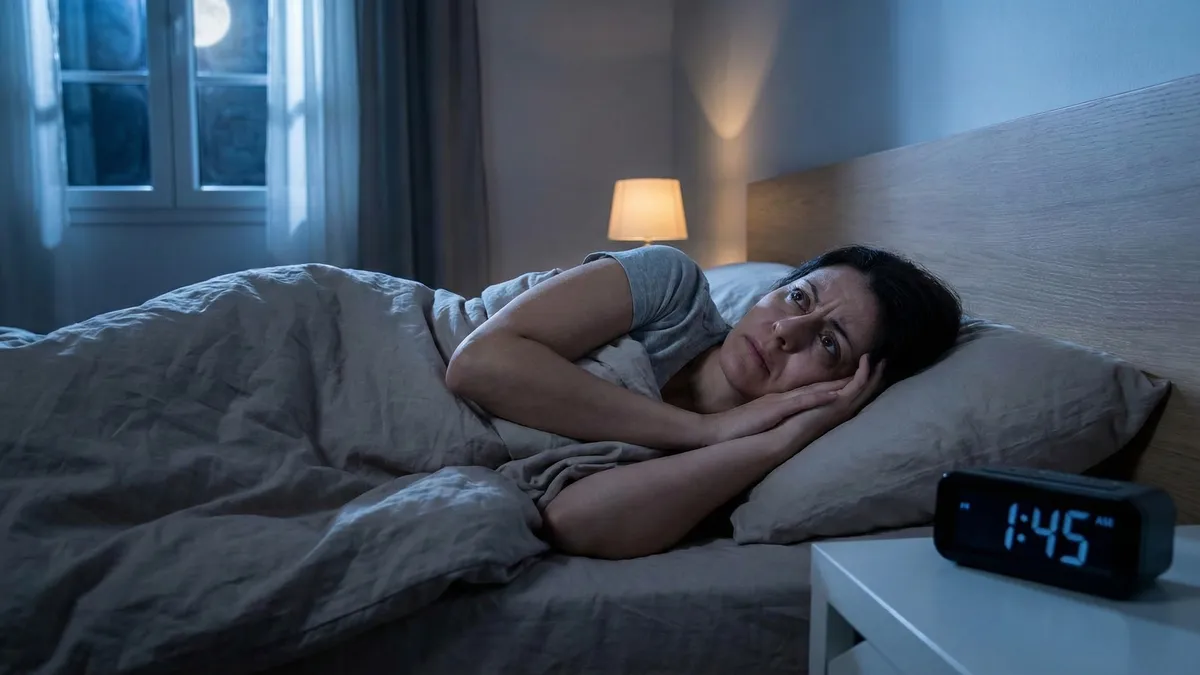
- One week of sleeping 5 hours per night reduces testosterone by 10-15% — equivalent to aging 10-15 years
- Testosterone is released in pulses tied to early sleep cycles — the first few hours of sleep are disproportionately important
- Sleep apnea significantly lowers testosterone; CPAP therapy consistently restores levels
- The effects extend beyond gym performance — mood, cognition, bone density, and metabolic health are all affected
- Testosterone matters for everyone, not just men — women's libido, energy, and bone health depend on it too
There's a subset of the fitness and men's health world that will tell you testosterone is everything. There's another subset that dismisses it as gym-bro mythology. The reality is somewhere in the middle: testosterone is genuinely important for health outcomes in both sexes, and sleep is one of the most powerful levers you have for maintaining healthy levels. What's interesting is that most people optimizing their testosterone are ignoring the single most impactful variable.
The study that established this most cleanly was published in JAMA in 2011 by Leproult and Van Cauter[1]. Healthy young men — average age 24, with normal baseline testosterone — had their sleep restricted to 5 hours per night for one week. At the end of the week, their daytime testosterone levels had fallen by 10-15%. To put that number in context: testosterone naturally declines about 1-2% per year after age 30. A single week of poor sleep produced a decade's worth of decline.
01 How Sleep Actually Builds Testosterone
Testosterone isn't produced continuously throughout the day at a steady rate. It's released in pulses — and the largest pulses are tightly linked to sleep architecture, specifically to the first few sleep cycles of the night.
The hypothalamic-pituitary-gonadal axis (the hormonal pathway that controls testosterone production) operates on a circadian rhythm with a clear sleep dependency. Luteinizing hormone (LH) pulses — which trigger testosterone release from the testes in men and ovaries in women — are most frequent and most intense during sleep, particularly during the early hours[2].
Sleep Onset
Hypothalamus increases GnRH (gonadotropin-releasing hormone) pulses as you transition into deep sleep. This is the starting signal.
Slow-Wave Sleep
Pituitary gland releases LH in response to GnRH signals. The first few hours of deep sleep produce the highest LH pulse amplitude of the 24-hour cycle.
Testosterone Release
LH signals the gonads to produce and release testosterone. Peak testosterone levels in blood occur in the early morning — typically between 6-8am for most people.
Morning Peak
Testosterone is highest when you wake up after sufficient sleep. This is why morning blood draws are standard for clinical testosterone testing — afternoon values are significantly lower regardless of sleep.
The implication of this timing is significant: the first few hours of sleep are not interchangeable with the last few hours. Staying up until 2am and sleeping until 10am versus going to bed at 10pm and waking at 6am isn't equivalent for testosterone production, even if total sleep time is identical. The phase of your sleep matters, not just the duration.
02 The Sleep Apnea Connection
Of all the sleep-testosterone connections, the sleep apnea relationship is the most clinically important — and the most actionable. Sleep apnea causes repeated drops in blood oxygen, which directly suppresses testosterone production. The effect is substantial.
Studies consistently show that men with moderate to severe sleep apnea have testosterone levels significantly lower than age-matched controls[3]. More importantly, treating sleep apnea with CPAP therapy consistently raises testosterone levels without any hormonal intervention — usually within 3 months of effective treatment.
The Sleep Apnea-Testosterone Cycle
Sleep apnea fragments sleep and causes hypoxia (low blood oxygen)
Hypoxia suppresses Leydig cell function (testosterone production in the testes)
Low testosterone increases fat tissue, particularly visceral abdominal fat
Excess visceral fat worsens sleep apnea by reducing airway patency
The cycle compounds — each making the other worse
CPAP treatment breaks this cycle by restoring oxygen levels during sleep.
This is why a man in his 30s or 40s presenting with low testosterone should be screened for sleep apnea before discussing TRT (testosterone replacement therapy). Treating the underlying sleep disorder may restore levels without the downsides and costs of exogenous hormone use.
03 Effects Beyond Muscle and Libido
The conversation about testosterone and sleep tends to get stuck on two topics: gym performance and libido. Both are real effects, but they're probably not the most important ones. The broader health implications of chronically suppressed testosterone are worth understanding.
Cognitive Function
Testosterone has direct effects in the brain — there are androgen receptors throughout the hippocampus and prefrontal cortex. Low testosterone is associated with worse verbal memory, spatial cognition, and processing speed. Sleep deprivation compounds this by also impairing these same functions independently.
Mood and Depression
Low testosterone is a significant risk factor for depression in both men and women. The pathway runs partly through androgen receptor activity in limbic system structures that regulate mood. People with clinical depression have higher rates of hypogonadism than the general population.
Bone Density
Testosterone is anabolic — it stimulates bone remodeling and maintenance. Chronically low levels accelerate bone mineral density loss, increasing osteoporosis risk. This is particularly relevant for older adults who are already on the wrong side of the bone density curve.
Metabolic Health
Low testosterone is associated with insulin resistance, metabolic syndrome, and abdominal fat accumulation. Visceral fat aromatizes testosterone into estrogen, further lowering free testosterone levels. It's a compounding process that sleep deprivation accelerates by simultaneously suppressing testosterone and increasing cortisol.
"Sleep is probably the most underappreciated factor in testosterone optimization. No supplement stack compensates for chronic sleep restriction."
— Eve Van Cauter, University of Chicago Sleep Research Laboratory
04 This Applies to Women Too
Testosterone is typically discussed as a male hormone, but women produce it too — in smaller quantities, but it plays important roles in female physiology. Women produce testosterone primarily in the ovaries and adrenal glands. Normal female levels are roughly 10-20% of male levels, but the effects of deficiency are real.
In women, testosterone contributes to libido, energy, muscle maintenance, bone density, and mood. Sleep deprivation suppresses female testosterone through the same HPG axis disruption, with documented effects on sexual function and energy in sleep-restricted women[4]. Postmenopausal women are especially sensitive to this because their baseline production is already lower.
An Underdiagnosed Issue in Women
Female testosterone testing is inconsistent in primary care. Women presenting with low libido, fatigue, and mood problems are often worked up for thyroid disorders, depression, and iron deficiency before testosterone is considered. If you're a woman with these symptoms and also sleeping poorly, the sleep-hormone connection is worth discussing explicitly with your doctor.
05 Practical Sleep Optimization for Hormonal Health
The research points to some specific sleep practices that disproportionately benefit testosterone production. Most of this is good general sleep hygiene, but there are a few hormone-specific considerations worth highlighting.
Prioritize Duration First
The Leproult study used 5-hour restriction. Getting to 7-8 hours is the single highest-impact change. Everything else is optimizing around that foundation. Most people sleeping 6 hours and wondering why they feel off should start here.
Sleep Timing Matters
Because testosterone production is tied to the first sleep cycles, shifting sleep earlier (10pm vs 2am) with the same total duration probably produces higher testosterone. The circadian phase alignment of sleep matters, not just the total hours.
Cool Room Temperature
Testicular temperature affects testosterone production — the testes are outside the body partly for thermal regulation. Core body temperature also drops during sleep, and a cool sleep environment (65-68°F / 18-20°C) facilitates deeper sleep and potentially supports this thermoregulation.
Limit Alcohol Before Bed
Alcohol suppresses testosterone directly and also degrades sleep quality. The double hit is significant: it reduces production and degrades the sleep that would otherwise drive production. Even moderate evening drinking has measurable next-morning testosterone effects.
Screen for Sleep Apnea
If you snore, if your partner notices you stop breathing, if you wake up exhausted despite adequate hours — get a sleep study. The testosterone restoration from treating sleep apnea can be dramatic and doesn't require any hormonal intervention.
Manage Stress (Cortisol Competes)
Cortisol and testosterone are inversely related — high cortisol directly suppresses testosterone synthesis. Chronic stress paired with poor sleep creates a compounding hormonal deficit. Sleep is the primary lever for managing cortisol naturally.
Before Considering TRT
If you've been told your testosterone is low or are considering testosterone replacement therapy, optimizing sleep first is a genuinely worthwhile experiment. Three months of consistent 7-8 hour sleep, screening and treating sleep apnea if present, and reducing evening alcohol can produce measurable testosterone increases without the side effects and costs of exogenous therapy. Measure before and after. The numbers will tell you whether you need further intervention.
The bottom line
Testosterone optimization has become a heavily marketed space — supplements, TRT clinics, lifestyle coaches. Most of it ignores the most powerful lever: consistent, adequate, well-timed sleep. The Leproult study showing 10-15% decline from a single week of 5-hour nights is one of the cleaner pieces of research in this area, and it's genuinely striking.
You can spend a lot of money on things that might move testosterone by a few percentage points. Or you can sleep 7.5-8 hours, avoid late alcohol, and address any sleep apnea. The evidence suggests the latter approach will do more, cost less, and have no side effects. That's a reasonably rare combination in health optimization.
Sources & Further Reading
- "Effect of 1 week of sleep restriction on testosterone levels in young healthy men." JAMA, 305(21), 2173-2174. (2011) PubMed →
- "Disruption of the nocturnal testosterone rhythm by sleep fragmentation in normal men." Journal of Clinical Endocrinology & Metabolism, 86(3), 1134-1139. (2001) PubMed →
- "Relationship between sleep apnea and testosterone." Current Opinion in Endocrinology, Diabetes, and Obesity, 24(3), 216-223. (2017) PubMed →
- "Sleep restriction acutely impairs glucose tolerance in women." Journal of Sleep Research, 24(3), 262-267. (2015) PubMed →