




Key Takeaways
- Excitement triggers the same arousal response as anxiety — your nervous system doesn't know the difference between good anticipation and bad stress
- For kids: tire them out during the day and stick rigidly to the bedtime routine even though it's a special night
- For adults: front-load the stressful tasks (wrapping, prep) earlier in the day so the evening can actually wind down
- If you're drinking at a holiday party, leave enough time between the last drink and bed — or accept the consequences on Christmas morning
- Set a firm do-not-disturb wake time and have a nap strategy ready for the afternoon crash
Christmas Eve is one of the most reliably sleepless nights of the year — and not just for kids. Adults aren't immune to lying awake running through everything that still needs to happen before morning. The presents aren't wrapped. Did you order batteries? Is the turkey still frozen? It's a lot.
Here's the thing: the sleep science doesn't care whether you're excited or anxious. Both states activate the same physiological response, and that response is not compatible with falling asleep. Knowing that actually helps, because it means you can borrow tactics from both anxiety management and regular sleep hygiene — and most of them work reasonably well, even on December 24th.
01 The Anticipation Problem
Here's something the sleep researchers will tell you: your brain's arousal system doesn't distinguish between "I'm terrified" and "I'm thrilled." Both states release norepinephrine, raise your heart rate, and push cortisol levels up. The physiological signature of excitement and anxiety is nearly identical[1]. Which is why a seven-year-old vibrating with Christmas anticipation will have the same trouble sleeping as an adult lying awake catastrophizing.
The arousal state that makes sleep so elusive on Christmas Eve isn't irrational — it's your nervous system doing exactly what it's designed to do before a significant event. Unfortunately, "significant" includes "Santa is coming" and "I have forty guests arriving at 11am" in equal measure.
What Kids Experience
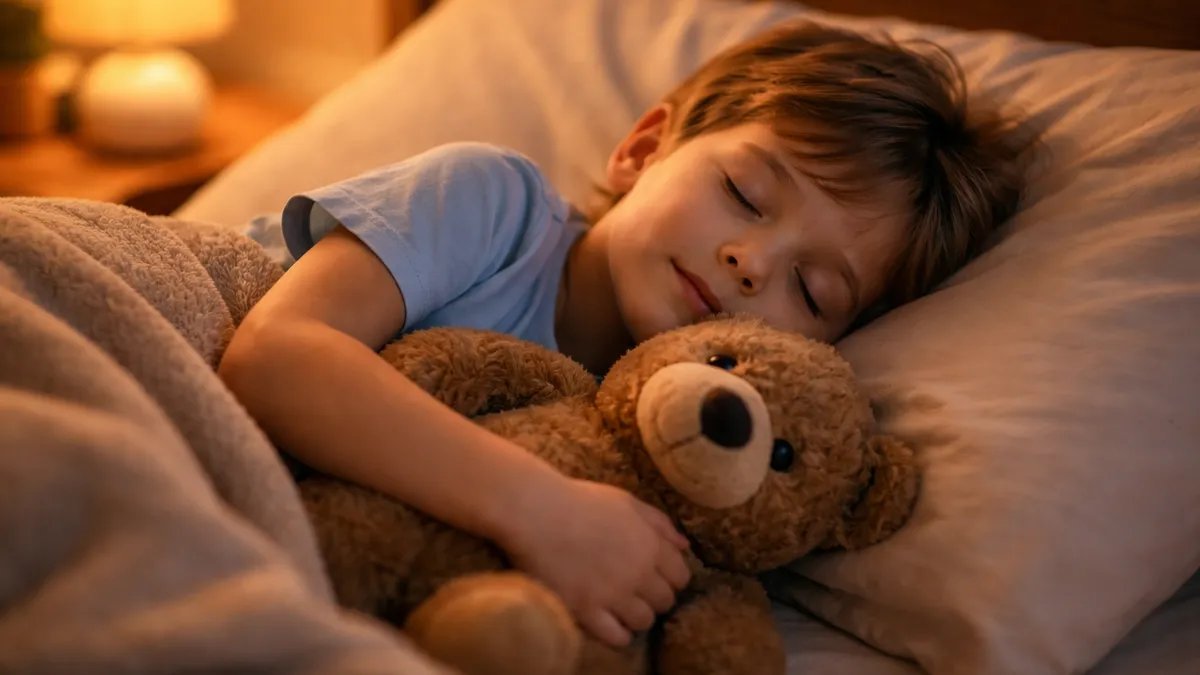
- Pure excitement with no off switch
- No adult concept of "just wait"
- Hyperactive imagination running wild
- Everything feels more intense
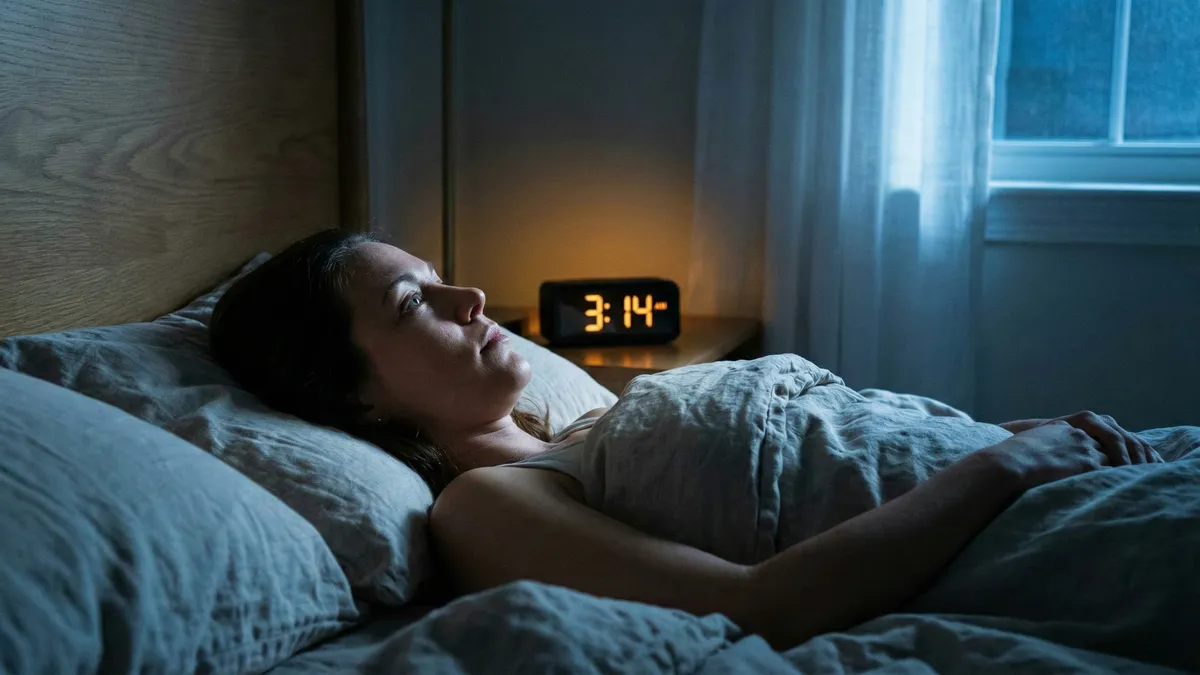
What Adults Experience
- Logistical stress dressed as excitement
- To-do lists playing on repeat
- Social and financial pressure
- Nostalgia making everything bittersweet
The good news is that once you understand the mechanism, you can work with it instead of against it. You can't switch off anticipation — but you can change the conditions that make it spiral.
02 For the Kids
The most important thing I can tell you about getting children to sleep on Christmas Eve is this: do not blow up the routine. I know it's tempting. It's a special night. They're so excited. One late night won't hurt. But it will hurt, and it will hurt you specifically, at 5:15am when they're tapping you on the shoulder having slept for four hours and now they're ready to unwrap everything.
Tire Them Out During the Day
This one is non-negotiable. If they've been inside all day doing nothing but vibrating with excitement, they'll have too much physical energy to wind down. Get them outside in the afternoon — a long walk, a bike ride, building a snowman if you're lucky enough. Physical exhaustion is your friend.
Keep the Bedtime Routine Intact
Bath, pajamas, teeth, story — in that order, at the usual time, no exceptions. Routines work because they're a physiological cue. The sequence tells the nervous system that sleep is coming, and that signal is powerful even on Christmas Eve. Break it and you've removed your most reliable tool.
The Audiobook Trick
A calm, slow audiobook or bedtime story podcast is genuinely magic for kids who can't quiet their minds. It gives the imagination something to follow — a gentle redirect away from "what presents will I get" and toward "what happens next in the story." Keep the volume low and don't pick anything too exciting.
The Santa Tracker Compromise
NORAD's Santa Tracker is genuinely useful here. Show them where Santa is on the map — still over the Pacific, hours away from your city. Then explain that Santa can't come until everyone is asleep. You're not lying to them; you're giving them a reason why sleep is in their interest. Most kids will accept this logic completely.
"The routine is the ritual. And the ritual is what tells the body: it's safe to let go now."
— paraphrased from sleep psychology basics, and also something I tell myself constantly
One more thing: if they genuinely cannot sleep and are starting to get distressed about it, don't make a big deal. Check in calmly, reassure them that lying still with eyes closed counts, and leave. The anxiety about not sleeping is often worse than the wakefulness itself.
03 For the Adults
Right. So the kids are theoretically in bed. Now it's your turn to do the wrapping, finish the prep, maybe have a glass of something, and somehow also get eight hours of sleep before the 5am wake-up call. This is a scheduling problem more than a sleep problem, honestly.
Front-Load the Stress
If possible, get the high-stakes tasks done earlier in the day. Wrapping presents at 11pm while running on adrenaline is a recipe for lying awake afterward. The earlier you finish, the more time your nervous system has to actually settle before you try to sleep.
Set a Wrapping Cutoff
Decide in advance what time you're stopping. Not "when it's done" — a specific time. Whatever isn't wrapped by 10pm gets a creative solution (bag, box, towel, whatever). Perfection is not the goal. Sleep is the goal.
Watch the Alcohol
Holiday parties mean drinks, and drinks mean disrupted sleep. If you've been at a party, read our full breakdown of what alcohol actually does to your sleep — but the short version is: leave at least 3 hours between your last drink and bed, or expect to be awake at 3am.
Midnight Mass Is a Sleep Gamble
If midnight mass is part of your tradition, plan around it rather than fighting it. Going to sleep at 1am and accepting a 6am wake-up is better than going at 11pm overtired and wired, then lying awake until 1am anyway. Work with the schedule you actually have.
The Brain Dump Method
Before bed, spend five minutes writing down everything still on your mental to-do list. Not to solve it — just to get it out of your head and onto paper. Your brain keeps cycling through unfinished tasks because it's afraid of forgetting them. Give it permission to let go by externalizing the list. It sounds almost too simple, but it works.
And honestly? If you're the one hosting Christmas tomorrow, some amount of pre-sleep anxiety is just the tax you pay. You're not going to eliminate it entirely. The goal is to create enough calm that you can fall asleep despite it — not to wait until you feel perfectly relaxed, because that moment may not come.
04 The Christmas Morning Plan
Sleep on Christmas Eve is partly about the night itself and partly about setting up a reasonable Christmas Day. Because if you've accepted that you might not get your full eight hours, the question becomes: how do you make the day survivable?
Set a Reasonable Alarm
Pick a time you can genuinely live with and communicate it clearly to any children involved the night before. "Christmas starts at 7am" is a complete sentence. Write it on a piece of paper and tape it to their door if needed. Some families use a light-up clock — when the clock turns green, it's morning. Whatever the system is, establish it clearly before anyone goes to sleep.
Pace the Excitement
Breakfast before presents, if you can manage it. I know, I know — but eating something real before the sugar rush of Christmas morning will stabilize everyone's blood sugar and mood. Kids are more manageable when they've eaten. Adults are more manageable when they've had coffee. This is just facts.
Build In a Nap Window
If the kids are under five, they're going to crash regardless — plan around it rather than pushing through. For adults, a 20-minute nap between 1pm and 3pm is enough to restore alertness without ruining nighttime sleep. Don't sleep longer than 30 minutes or you'll wake up groggier than you started. Set an alarm and commit to it.
Start Earlier Than You Think
Christmas Day has a way of running long. If you want everyone in bed at a reasonable hour — which will help reset the sleep debt from the night before — start the wind-down routine earlier than usual. The overstimulation of a full Christmas Day means kids especially need more transition time, not less.
You're probably not getting perfect sleep. That's okay.
Christmas Eve is one of those nights where you're essentially negotiating with biology rather than winning against it. The goal isn't a perfect eight hours — it's enough rest that Christmas Day isn't a disaster. Six hours of decent sleep beats eight hours of lying awake trying to force yourself unconscious.
Set the conditions, do what you can, and then let it go. The presents will be there at 7am whether you slept perfectly or not. The turkey will cook at the right temperature regardless of how you feel. Christmas has a way of happening even when the night before was rough.
And if all else fails: there's always the Christmas afternoon nap, which is a completely underrated institution and should be protected at all costs.
Sources & Further Reading
- "Behavioral inhibition, behavioral activation, and affective responses to impending reward and punishment." Journal of Personality and Social Psychology, 67(2), 319–333. (1994) PubMed →
- "Benefits of a bedtime routine in young children: Sleep, development, and beyond." Sleep Medicine Reviews, 40, 93–108. (2018) PubMed →
- "Sleep, cognition, and normal aging: Integrating a half century of multidisciplinary research." Perspectives on Psychological Science, 10(1), 97–137. (2015) PubMed →